

What is parvovirus?
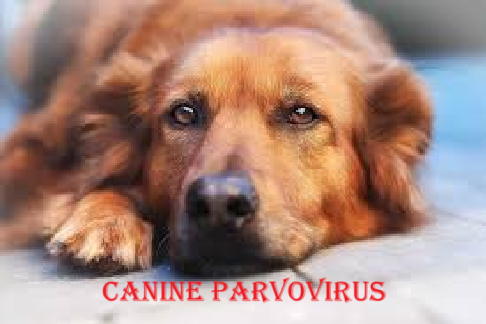
Parvovirus (also known as parvo, canine parvovirus, or CPV) is an infectious DNA virus that causes severe illness and death in dogs. It damages the lining of the intestines, causing severe vomiting and diarrhea. It primarily affects the body's rapidly dividing cells, meaning the intestinal tract and bone marrow are the most affected. Heart muscle cells of very young puppies can also be damaged by parvovirus. It also attacks infection-fighting cells inside the bone marrow, which weakens the immune system making it very difficult for dogs to recover. Parvovirus is especially serious in unvaccinated dogs and puppies less than six months old because their immune systems aren't as well developed and so are less able to fight the virus.
Key Points
Parvo in dogs and puppies is spread by contact with contaminated feces, but you don't have to see feces for the virus to be present. It can live on surfaces that have been contaminated, including on:
Parvovirus can survive in a dog's environment for months, if not years and it's resistant to many disinfectants. However, it is susceptible to diluted bleach and some specialized cleaners commonly used in veterinary hospitals.
Is parvovirus contagious to other dogs?
Yes. Parvo is highly contagious to other dogs and spreads very easily around dogs and puppies that are not up to date with their vaccinations. Parvovirus spreads through body fluids, including in a dog's poo and vomit. It can also survive in the environment outside the body. For example in the grass for at least six months and possibly much longer. Your dog can even contract parvo by sniffing another dog's poo and it's not uncommon for dogs to catch parvo when out for a walk.
If your dog has come into contact with bedding, food and water bowls, carpet or a kennel that a dog with parvovirus has touched, they can catch the virus. It can also travel in dirt, so can be found on the bottom of shoes, inside houses, on dog leads, collars, bowls, clothes, toys, and even on human hands.
Most dogs are exposed to parvovirus at some point in their life, so the only way to protect them is through regular vaccination.
Can Humans Get Parvo?
Parvovirus is species-specific, so humans have their own version of the virus. This means that humans can't get parvovirus from dogs.
However, it's still important to use the utmost caution by wearing personal protective equipment if you encounter a parvo puppy. While you may not get parvo, the virus could be spread to another dog via your hands or clothes.
Stages of Parvo in Dogs and Puppies
There are three stages of parvo in dogs and puppies infection, incubation and illness.
1. Infection
The puppy (or adult dog) is exposed to parvovirus via fecal material from an infected dog.
It's important to note that a dog can be infected from the environment (ground or surface) or an object that encountered an infected dog even when the presence of feces is undetected.
2. Incubation
There is an incubation period (usually three to seven days) in which the dog is infected with parvovirus but not yet showing symptoms.
During this period, the virus specifically seeks out the most rapidly dividing cells in the body typically, it starts attacking the tonsils or lymph nodes in the throat. By targeting these rapidly dividing cells, the virus can multiply effectively and efficiently to invade other parts of the dog's body.
Once parvovirus has multiplied and entered the bloodstream, the virus will seek out other sources of rapidly diving cells. The most hard-hit affected areas are:
3. Illness
When parvovirus infects the bone marrow, it attacks the young immune cells which leads a drop in protective white blood cells.
This weakens the body's ability to protect itself and allows the virus to invade the gastrointestinal (GI) tract more easily, where the worst damage occurs. The virus attacks the lining of the small intestine, which prevents the dog's GI tract from being able to:
While parvo in dogs is not always fatal, those that do not survive typically die from dehydration or shock along with the damage caused by the septic toxins from the intestinal bacteria escaping into the bloodstream.
Symptoms of parvo in dogs?
Symptoms of parvovirus usually take three to seven days to appear and include:
There is no cure, so dogs with parvovirus need very intensive care and medications to control their symptoms while their body tries to fight the infection. Treatment usually includes:
A fluid drip: Fluids and electrolytes are given directly into the bloodstream to prevent dehydration and electrolyte imbalances caused by severe diarrhea and vomiting.
Antibiotics: Antibiotics won't kill parvovirus but are often used to protect against other infections during recovery.
Anti-sickness medication: It's likely that your dog will be given anti-sickness medication to stop them from feeling nauseous and vomiting.
Feeding: Your dog probably won't want to eat anything at all while they are poorly with parvovirus and even if they do, they'll likely vomit most of it back up. However, they must have a small amount of food in their tummy, to give their intestines the energy to repair. If your dog isn't able to eat they may need to be fed by a syringe or stomach tube.
Cleaning: Dogs with parvovirus need round-the-clock care to keep them clean from vomit and diarrhea. They also need to be kept in an isolation ward, away from other pets. This will prevent the spread of parvovirus as well as stop them from picking up any other infections.
Warmth: Dogs with parvovirus often have poor circulation and become very cold, so their temperature will be closely monitored and managed.
Caring for a dog recovering from parvovirus?
If your dog has recovered enough to return home, you will need to continue nursing them while they fully recover:
Isolation: Your dog will still be infectious for two to four weeks after they have recovered, so it's vitally important that you keep them away from other dogs and public spaces for this time.
Monitoring: Your dog might still have diarrhea for a few days after they return home, but this should steadily improve. However, if it continues, they start vomiting again, won't eat or seem lethargic (low in energy), contact your vet for advice.
Food: Your dog will probably be very hungry after not eating properly for a few days but it's important not to let them eat too much in one go. Instead, you'll need to regularly offer them small amounts of bland food.
Water: Offer your dog water regularly, but don't force them to drink if they don't want to.
Toileting: Your dog will need to go to the toilet very regularly so give them constant access to somewhere they can wee and poo, and clear up their poo as thoroughly as possible to prevent the virus from spreading.
Rest: Make sure they get lots of rest in a comfortable, warm environment, they won't need any walks while they recover.
Other pets: Other pets that are up to date with their vaccines are at a low risk of contracting the virus. If you have any unvaccinated pets, have them vaccinated straight away and keep them completely separate from your poor dog for at least a month after they have recovered (and you've had a chance to disinfect everything). Parvovirus can remain in the environment for months to years and it's almost impossible to remove it all even after disinfection, so don't bring any dogs or cats into your home unless they are fully vaccinated (especially puppies and kittens).
Bathing: Once they are well enough, you can bath your dog to reduce the amount of virus on their fur. Only do so if it doesn't stress them out, make sure you use warm (not hot) water and dry them off thoroughly afterward with a towel so they don't get cold.
Vaccines: Once your dog has fully recovered from parvovirus, they will probably have some natural protection against the virus. Unfortunately, there isn't any evidence to say how long this will last, so we recommend that they should vaccine immediately after full recovery.
Prevention of Parvo in Dogs and Puppies
Parvo in dogs is a preventable disease. Starting around six weeks of age, your dog should be vaccinated and then booster dose after three weeks and then once a year. Proper vaccination provides your pup with the best defense at staying healthy.
Additionally, a few additional things you can do to help prevent parvo in your dog include:
It's important to fully disinfect any areas that have been contaminated with parvovirus. Bleach can kill parvovirus when it is used properly. It is readily available and is relatively inexpensive but has some drawbacks. It can discolor or even ruin surfaces. The fumes can be irritating to the nose, eyes, and skin.
To kill canine parvovirus on hard non-porous surfaces, prepare a solution of bleach with water. Pre-wash the areas and then mop or wipe with the disinfecting solution. Let stand for ten minutes, then rinse thoroughly and air dry. One treatment should kill the virus as long as you use the proper dilution and allow ten minutes of contact time. For this situation, we would also use a newly purchased bottle of bleach to be sure the bleach active is at label strength. Do not use a bottle of bleach that has been sitting around for too long, since over time the bleach naturally breaks down into salt and water.

Parvovirus (also known as parvo, canine parvovirus, or CPV) is an infectious DNA virus that causes severe illness and death in dogs. It damages the lining of the intestines, causing severe vomiting and diarrhea. It primarily affects the body's rapidly dividing cells, meaning the intestinal tract and bone marrow are the most affected. Heart muscle cells of very young puppies can also be damaged by parvovirus. It also attacks infection-fighting cells inside the bone marrow, which weakens the immune system making it very difficult for dogs to recover. Parvovirus is especially serious in unvaccinated dogs and puppies less than six months old because their immune systems aren't as well developed and so are less able to fight the virus.
Key Points
- Canine parvovirus commonly causes severe illness in young and unvaccinated dogs.
- Parvo in dogs and puppies is spread by contact with contaminated feces, but you don't have to see feces for the virus to be present. It can live on surfaces that have been contaminated.
- There is no specific cure for parvovirus in dogs and puppies, so treatment revolves around supporting a pup so their body can fight it off.
Parvo in dogs and puppies is spread by contact with contaminated feces, but you don't have to see feces for the virus to be present. It can live on surfaces that have been contaminated, including on:
- The ground
- Kennels
- Human hands
- Objects
- Clothing
Parvovirus can survive in a dog's environment for months, if not years and it's resistant to many disinfectants. However, it is susceptible to diluted bleach and some specialized cleaners commonly used in veterinary hospitals.
Is parvovirus contagious to other dogs?
Yes. Parvo is highly contagious to other dogs and spreads very easily around dogs and puppies that are not up to date with their vaccinations. Parvovirus spreads through body fluids, including in a dog's poo and vomit. It can also survive in the environment outside the body. For example in the grass for at least six months and possibly much longer. Your dog can even contract parvo by sniffing another dog's poo and it's not uncommon for dogs to catch parvo when out for a walk.
If your dog has come into contact with bedding, food and water bowls, carpet or a kennel that a dog with parvovirus has touched, they can catch the virus. It can also travel in dirt, so can be found on the bottom of shoes, inside houses, on dog leads, collars, bowls, clothes, toys, and even on human hands.
Most dogs are exposed to parvovirus at some point in their life, so the only way to protect them is through regular vaccination.
Can Humans Get Parvo?
Parvovirus is species-specific, so humans have their own version of the virus. This means that humans can't get parvovirus from dogs.
However, it's still important to use the utmost caution by wearing personal protective equipment if you encounter a parvo puppy. While you may not get parvo, the virus could be spread to another dog via your hands or clothes.
Stages of Parvo in Dogs and Puppies
There are three stages of parvo in dogs and puppies infection, incubation and illness.
1. Infection
The puppy (or adult dog) is exposed to parvovirus via fecal material from an infected dog.
It's important to note that a dog can be infected from the environment (ground or surface) or an object that encountered an infected dog even when the presence of feces is undetected.
2. Incubation
There is an incubation period (usually three to seven days) in which the dog is infected with parvovirus but not yet showing symptoms.
During this period, the virus specifically seeks out the most rapidly dividing cells in the body typically, it starts attacking the tonsils or lymph nodes in the throat. By targeting these rapidly dividing cells, the virus can multiply effectively and efficiently to invade other parts of the dog's body.
Once parvovirus has multiplied and entered the bloodstream, the virus will seek out other sources of rapidly diving cells. The most hard-hit affected areas are:
- Bone marrow
- Cells that line the walls of the small intestines
3. Illness
When parvovirus infects the bone marrow, it attacks the young immune cells which leads a drop in protective white blood cells.
This weakens the body's ability to protect itself and allows the virus to invade the gastrointestinal (GI) tract more easily, where the worst damage occurs. The virus attacks the lining of the small intestine, which prevents the dog's GI tract from being able to:
- Absorb nutrients
- Prevent fluid loss into the stool
- Stop bacteria from moving into the gut wall and then into the bloodstream
While parvo in dogs is not always fatal, those that do not survive typically die from dehydration or shock along with the damage caused by the septic toxins from the intestinal bacteria escaping into the bloodstream.
Symptoms of parvo in dogs?
Symptoms of parvovirus usually take three to seven days to appear and include:
- Severe diarrhea (foul smelling, watery and bloody)
- Vomiting
- Severely low energy (lethargy)
- A very high, or very low temperature
- Pale gums
- Abdominal (tummy) pain
- Reduced appetite
- depression
- Collapse
- Have a high heart rate
- Have difficulty breathing
- Have low white blood cell (WBC) counts
- Be hypothermic
- Be hypoglycemic
There is no cure, so dogs with parvovirus need very intensive care and medications to control their symptoms while their body tries to fight the infection. Treatment usually includes:
A fluid drip: Fluids and electrolytes are given directly into the bloodstream to prevent dehydration and electrolyte imbalances caused by severe diarrhea and vomiting.
Antibiotics: Antibiotics won't kill parvovirus but are often used to protect against other infections during recovery.
Anti-sickness medication: It's likely that your dog will be given anti-sickness medication to stop them from feeling nauseous and vomiting.
Feeding: Your dog probably won't want to eat anything at all while they are poorly with parvovirus and even if they do, they'll likely vomit most of it back up. However, they must have a small amount of food in their tummy, to give their intestines the energy to repair. If your dog isn't able to eat they may need to be fed by a syringe or stomach tube.
Cleaning: Dogs with parvovirus need round-the-clock care to keep them clean from vomit and diarrhea. They also need to be kept in an isolation ward, away from other pets. This will prevent the spread of parvovirus as well as stop them from picking up any other infections.
Warmth: Dogs with parvovirus often have poor circulation and become very cold, so their temperature will be closely monitored and managed.
Caring for a dog recovering from parvovirus?
If your dog has recovered enough to return home, you will need to continue nursing them while they fully recover:
Isolation: Your dog will still be infectious for two to four weeks after they have recovered, so it's vitally important that you keep them away from other dogs and public spaces for this time.
Monitoring: Your dog might still have diarrhea for a few days after they return home, but this should steadily improve. However, if it continues, they start vomiting again, won't eat or seem lethargic (low in energy), contact your vet for advice.
Food: Your dog will probably be very hungry after not eating properly for a few days but it's important not to let them eat too much in one go. Instead, you'll need to regularly offer them small amounts of bland food.
Water: Offer your dog water regularly, but don't force them to drink if they don't want to.
Toileting: Your dog will need to go to the toilet very regularly so give them constant access to somewhere they can wee and poo, and clear up their poo as thoroughly as possible to prevent the virus from spreading.
Rest: Make sure they get lots of rest in a comfortable, warm environment, they won't need any walks while they recover.
Other pets: Other pets that are up to date with their vaccines are at a low risk of contracting the virus. If you have any unvaccinated pets, have them vaccinated straight away and keep them completely separate from your poor dog for at least a month after they have recovered (and you've had a chance to disinfect everything). Parvovirus can remain in the environment for months to years and it's almost impossible to remove it all even after disinfection, so don't bring any dogs or cats into your home unless they are fully vaccinated (especially puppies and kittens).
Bathing: Once they are well enough, you can bath your dog to reduce the amount of virus on their fur. Only do so if it doesn't stress them out, make sure you use warm (not hot) water and dry them off thoroughly afterward with a towel so they don't get cold.
Vaccines: Once your dog has fully recovered from parvovirus, they will probably have some natural protection against the virus. Unfortunately, there isn't any evidence to say how long this will last, so we recommend that they should vaccine immediately after full recovery.
Prevention of Parvo in Dogs and Puppies
Parvo in dogs is a preventable disease. Starting around six weeks of age, your dog should be vaccinated and then booster dose after three weeks and then once a year. Proper vaccination provides your pup with the best defense at staying healthy.
Additionally, a few additional things you can do to help prevent parvo in your dog include:
- Wiping your dog's paws off when coming in from outside
- Keep your dog away from feces
- Limiting/preventing access parks, wooded areas, grooming salons, pet stores, or other heavily frequented locations
- Allowing socialization with only properly vaccinated dogs
- Avoid contact with known infected dogs and their environments
It's important to fully disinfect any areas that have been contaminated with parvovirus. Bleach can kill parvovirus when it is used properly. It is readily available and is relatively inexpensive but has some drawbacks. It can discolor or even ruin surfaces. The fumes can be irritating to the nose, eyes, and skin.
To kill canine parvovirus on hard non-porous surfaces, prepare a solution of bleach with water. Pre-wash the areas and then mop or wipe with the disinfecting solution. Let stand for ten minutes, then rinse thoroughly and air dry. One treatment should kill the virus as long as you use the proper dilution and allow ten minutes of contact time. For this situation, we would also use a newly purchased bottle of bleach to be sure the bleach active is at label strength. Do not use a bottle of bleach that has been sitting around for too long, since over time the bleach naturally breaks down into salt and water.
Note: Its very important to vaccine your puppies / dogs. Prevention is better than cure.